Quality that builds trust – PKN Conference on the new edition of PN-EN ISO 9001
Quality is a concept, that can mean many things: product functionality, durability, safety, efficiency of services provided or an organization’s accountability. Regardless of the area it pertains, an essential element of quality remains trust – from customers, employees and other stakeholders.
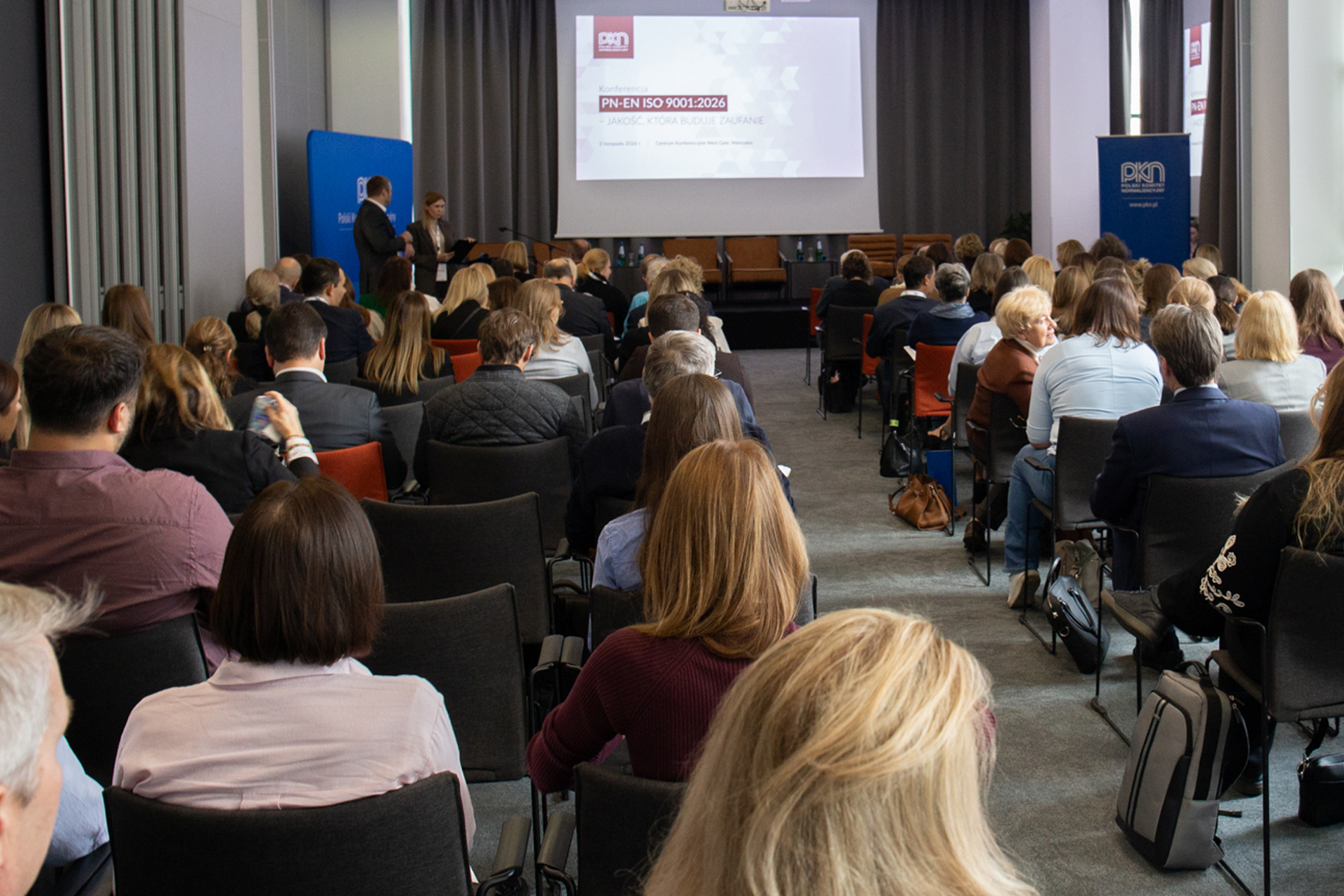
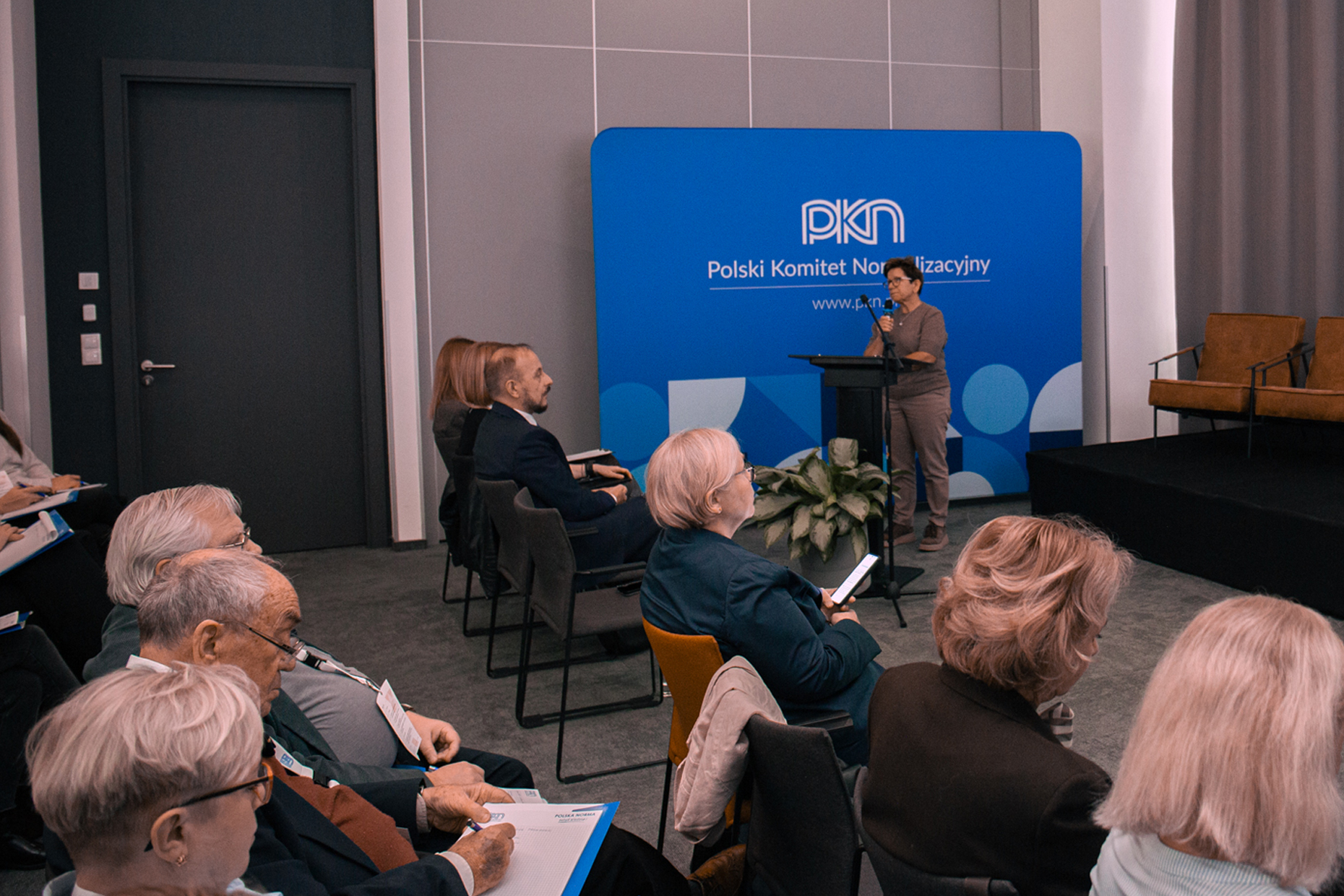
This was the focus of the Polish Committee for Standardization’s conference „PN-EN ISO 9001:2026 – quality that builds trust”, which took place on November 3rd, 2026, in Warsaw. The event provided an opportunity to examine the new edition of one of the world’s most recognized standards for quality management systems and to discuss its practical significance for modern organizations.
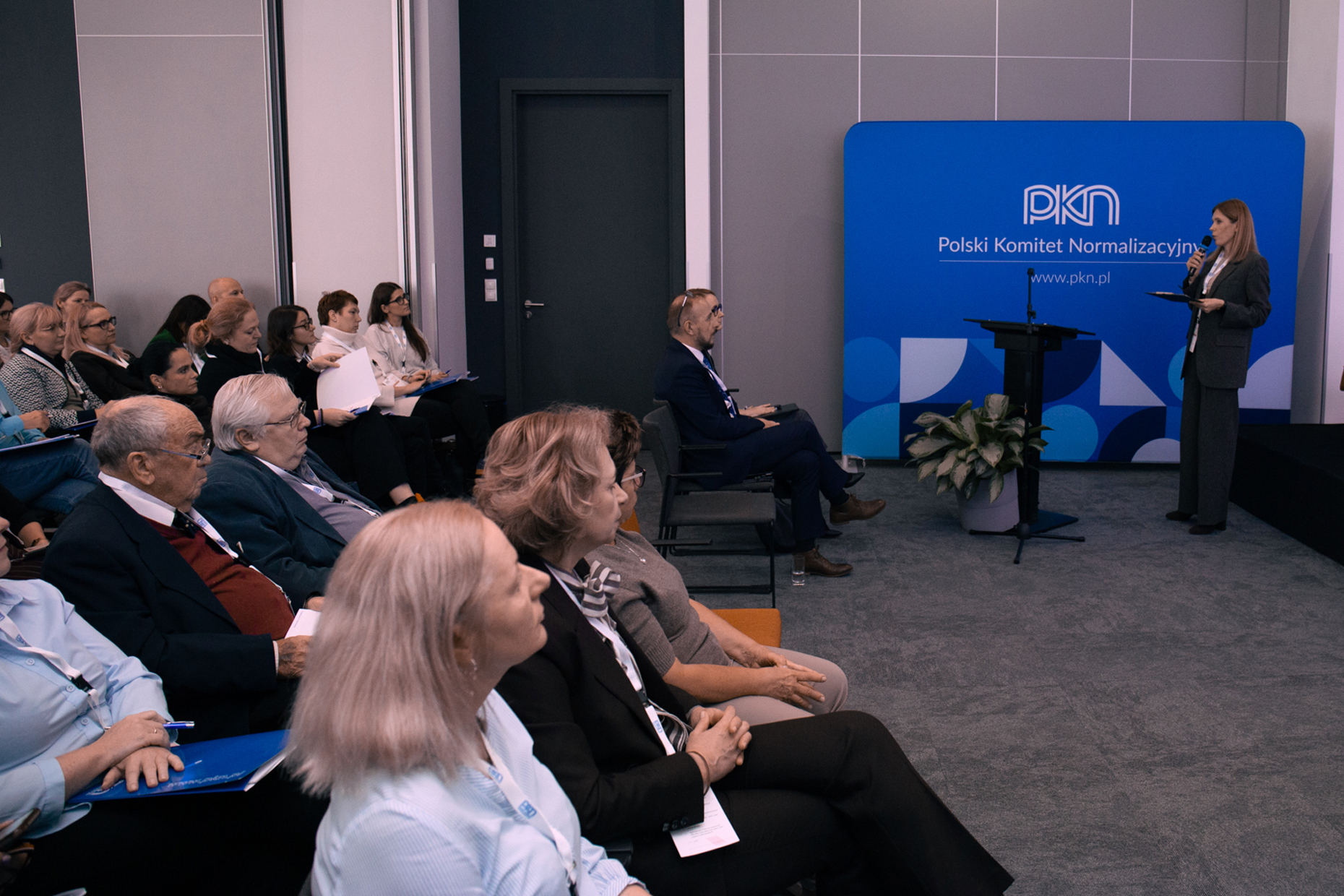
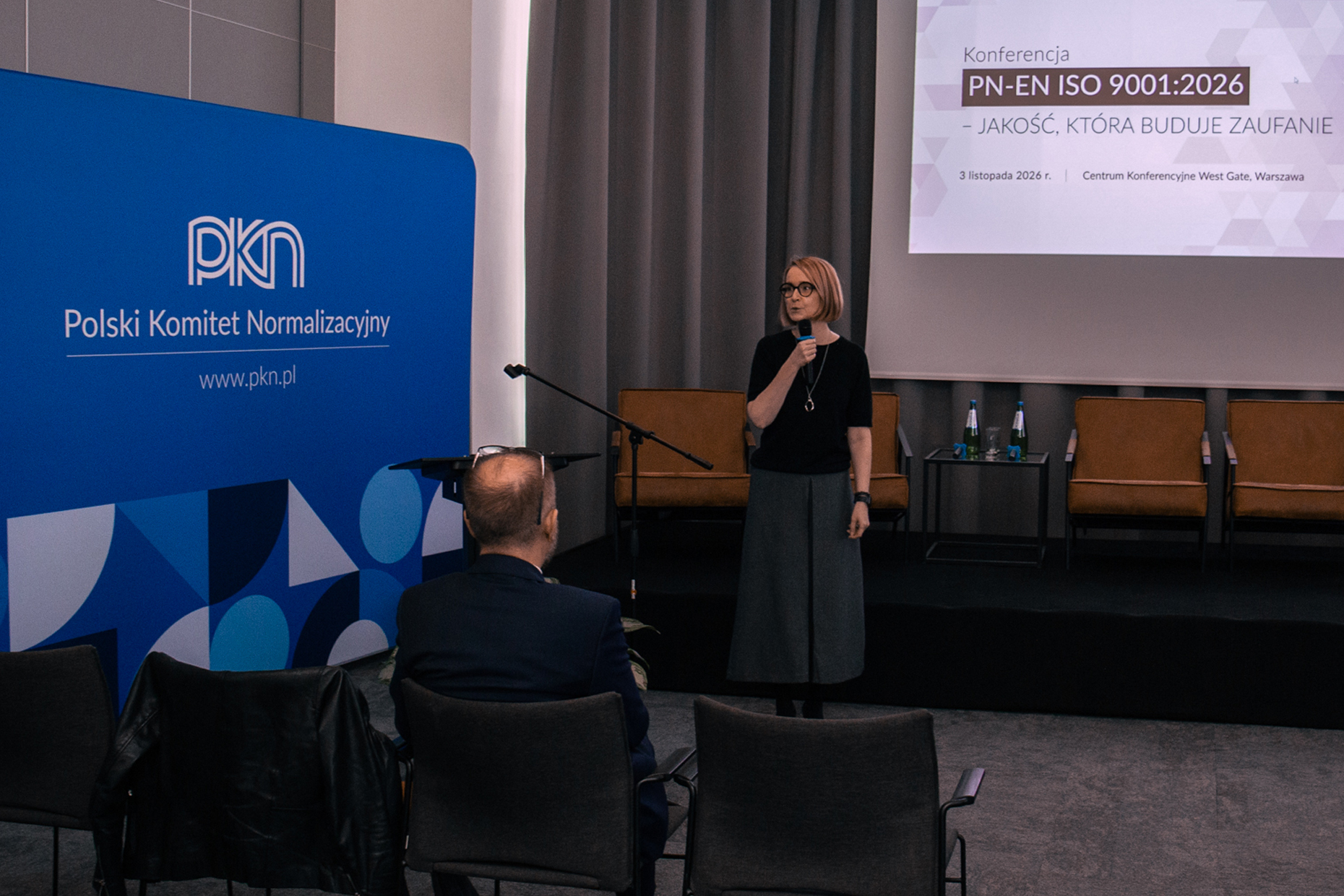
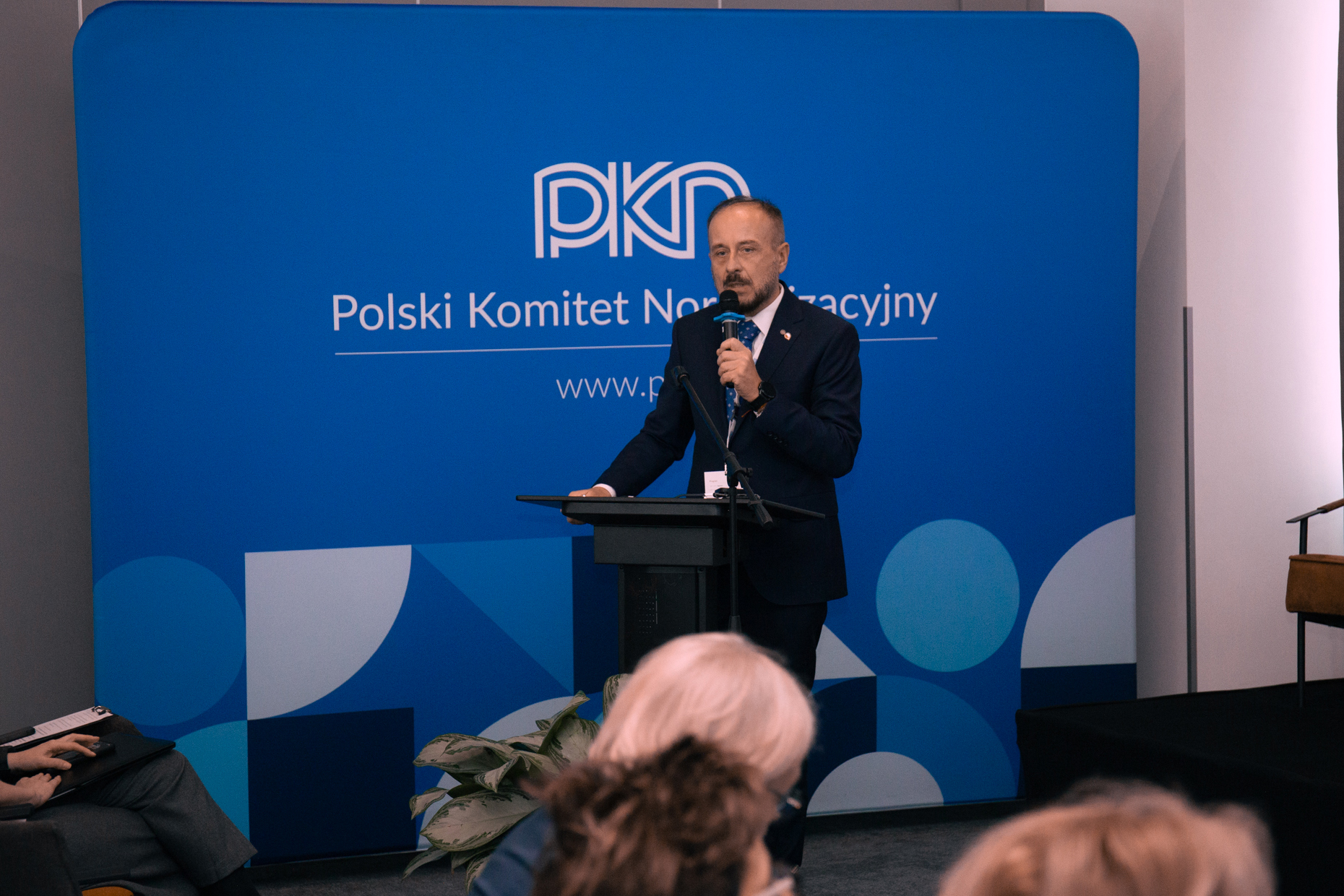
Ewa Zielińska – the President of PKN opened the Conference by welcoming the guests and speakers. Anna Komar – Director of the External Relations Department at PKN – moderated the event.
Presentations
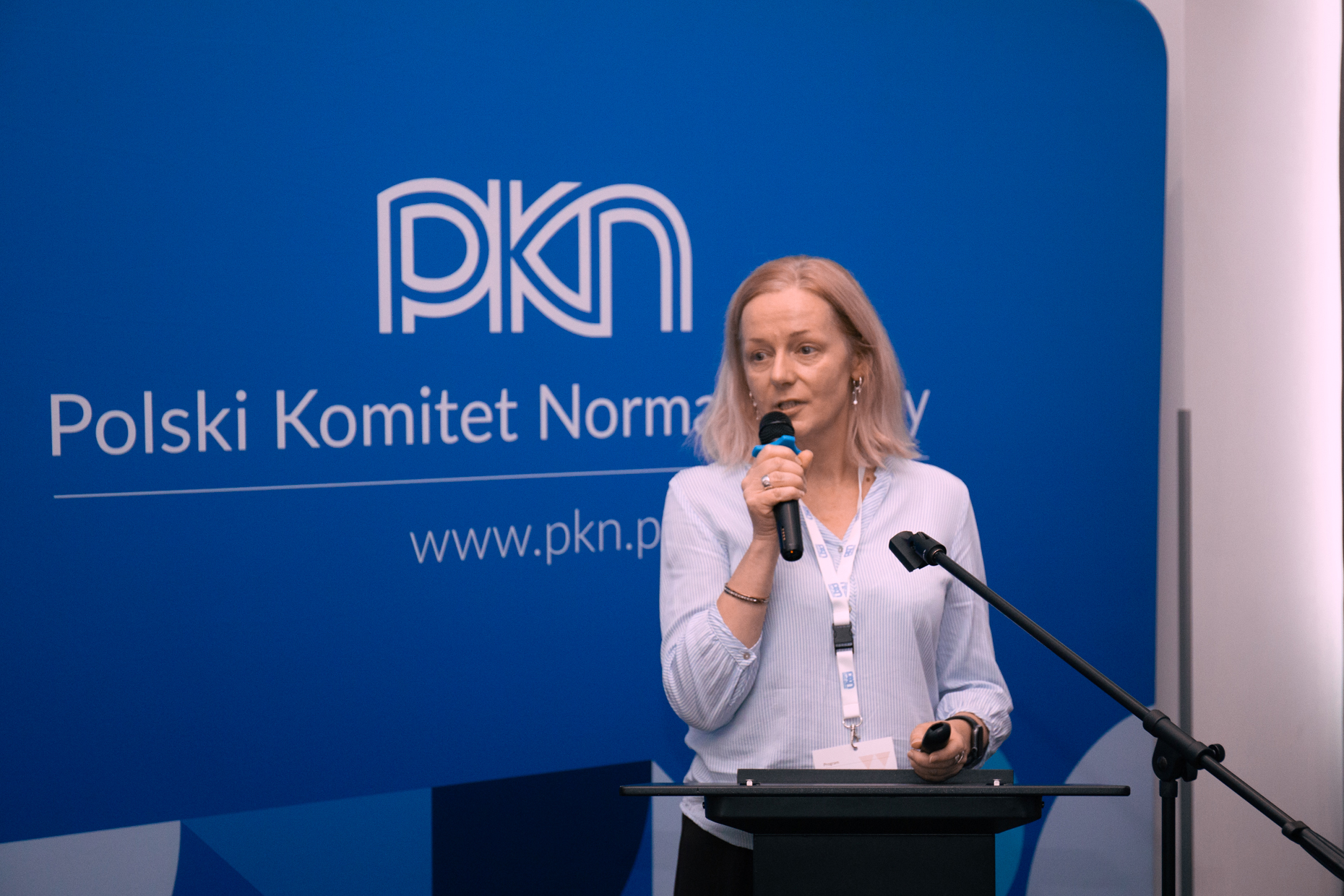
Joanna Skwarek – President’s Plenipotentiary for Integrated Management System at PKN – outlined the key changes in ISO 9001:2026 and the main principles of the new edition of the standard.
Elżbieta Niegowska – Chair of the PKN Technical Committee 270 on Environmental Management, member of the PKN Technical Committee 6 on Management Systems – discussed the practical aspects of preparing organizations for the new edition of the standard.
Marek Roszak, Ph.D., Eng., Professor at the Silesian University – President of Klub Polskie Forum Zarządzania Jakością ISO 9000 – discussed the transformation of the system into a culture of quality and how ISO 9001 can create genuine value.
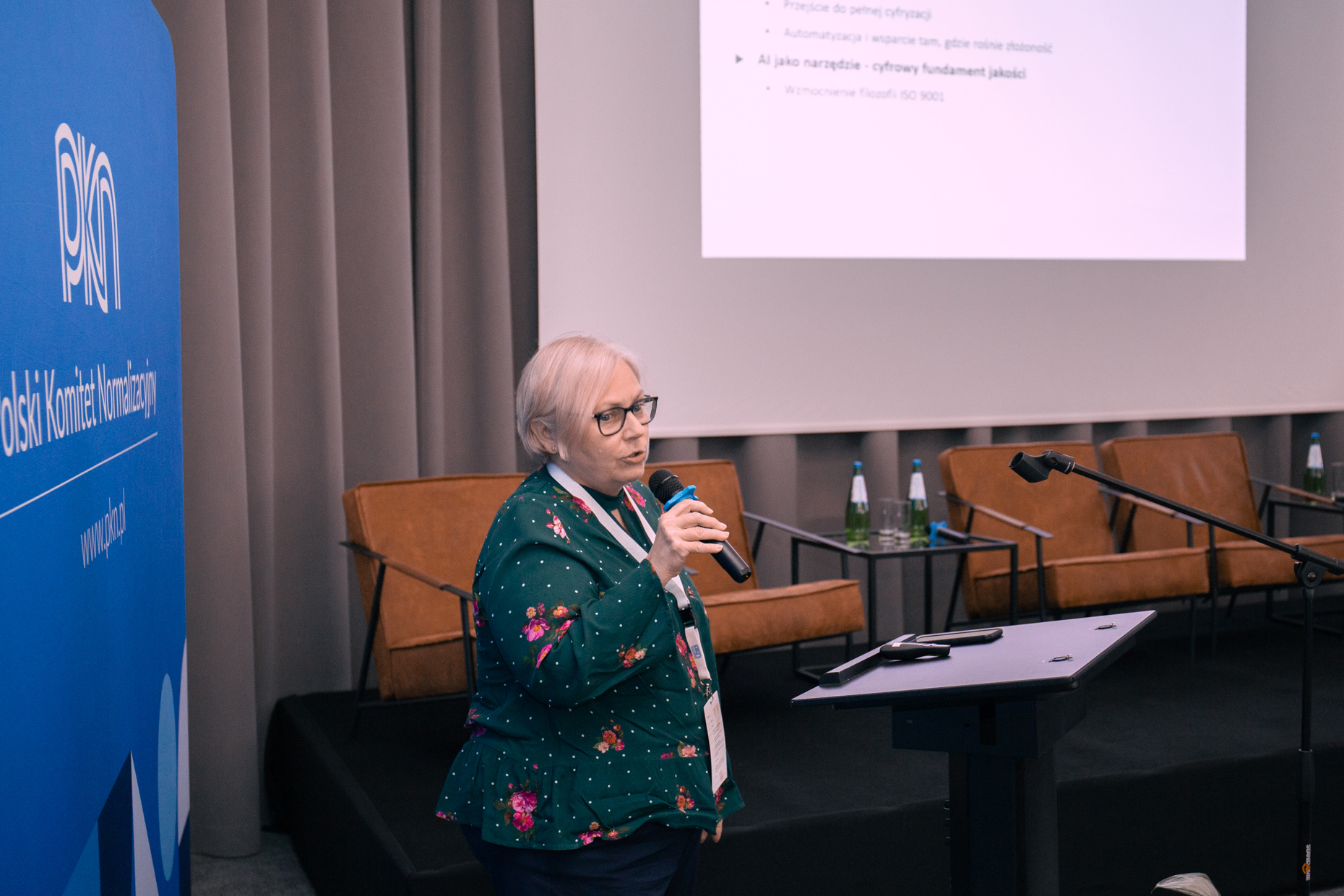
To conclude this part of the conference, Ewelina Szczekocka – Chair of the PKN Technical Committee 338 on Artificial Intelligence – presented the opportunities, risks and responsibilities associated with AI and data in quality management.
The topics discussed showed, that an effective quality management system should not be limited to the formal fulfillment of requirements. Its primary role is to support the organization in achieving its intended results, improving processes and responding to evolving needs.
Panel discussion
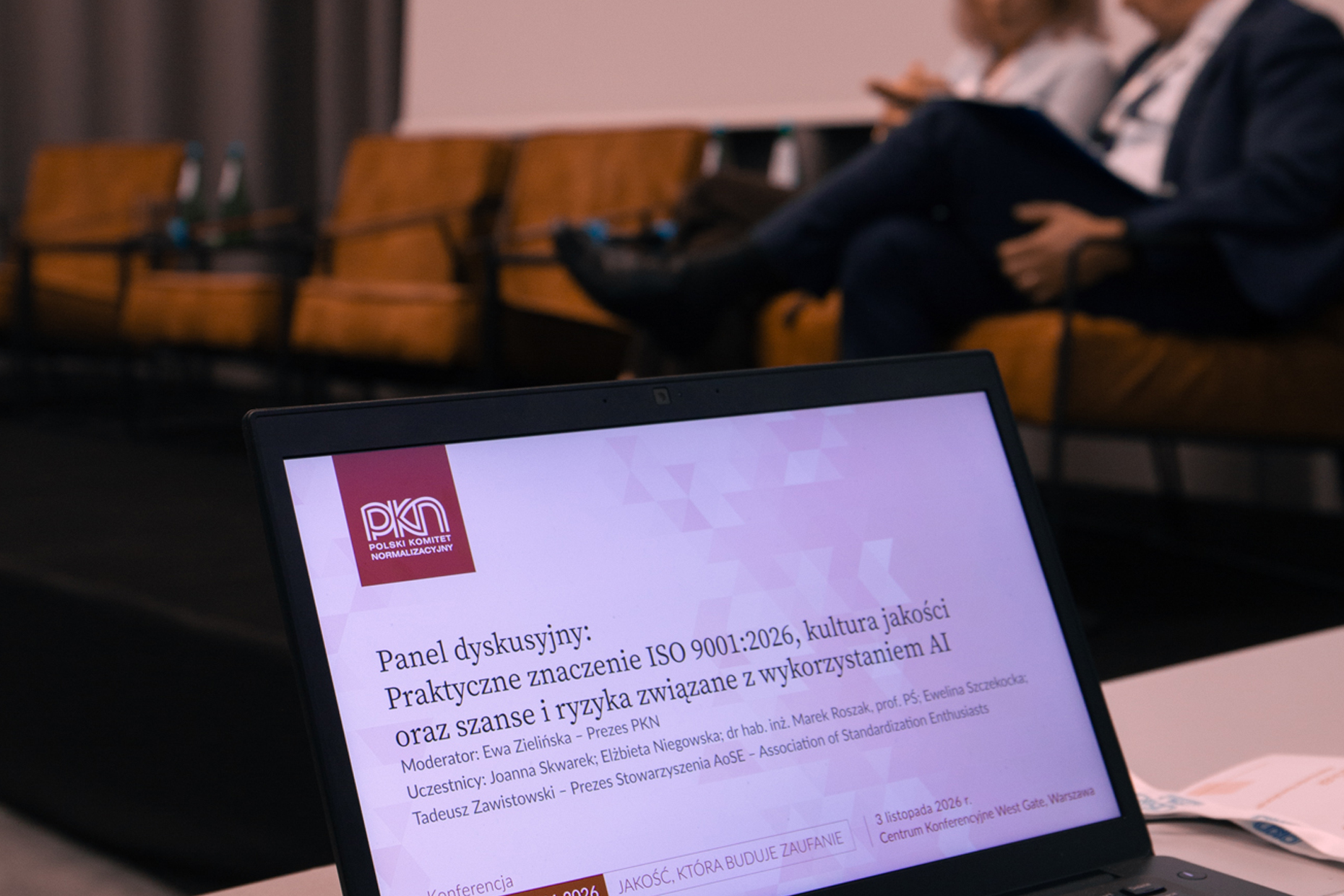
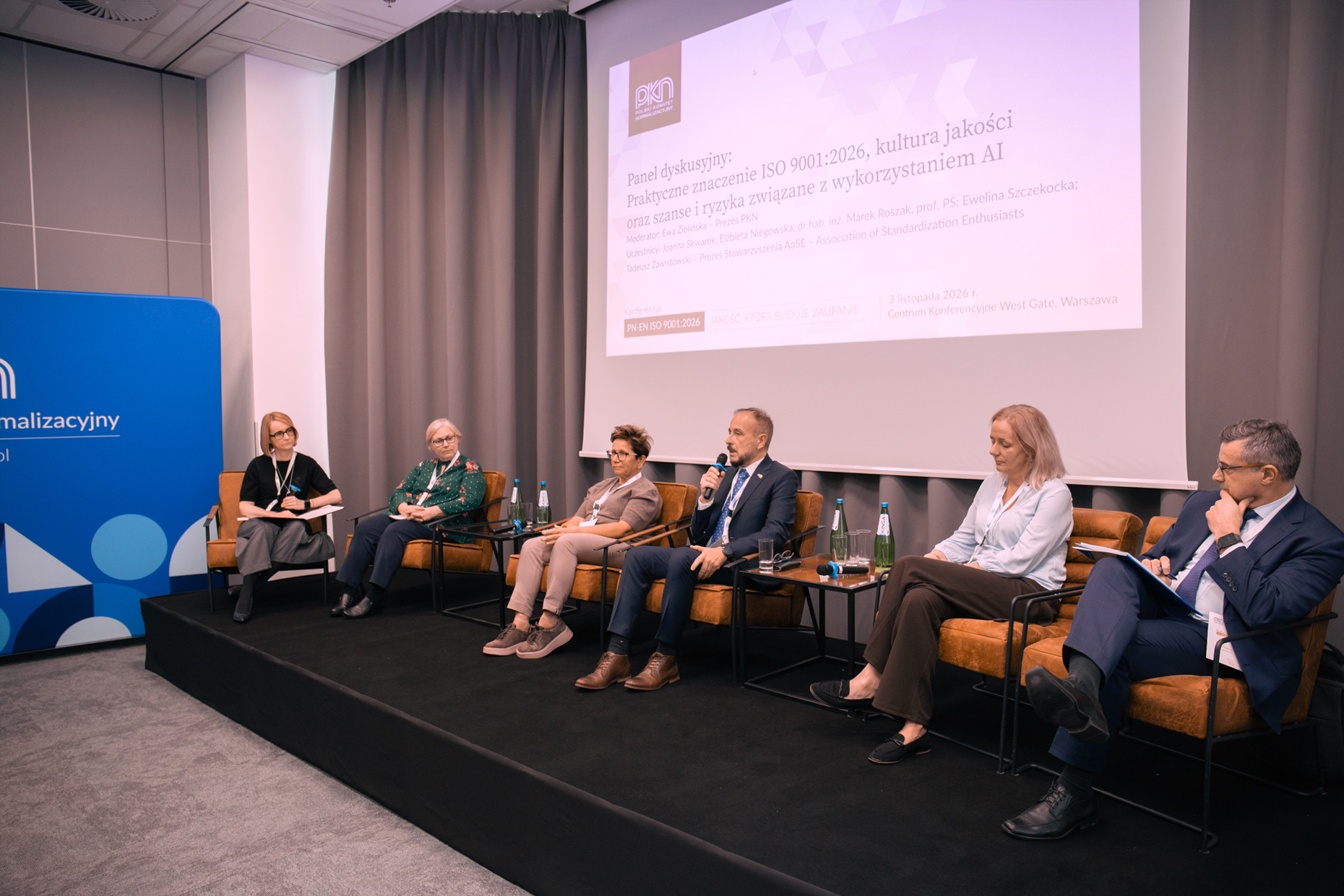
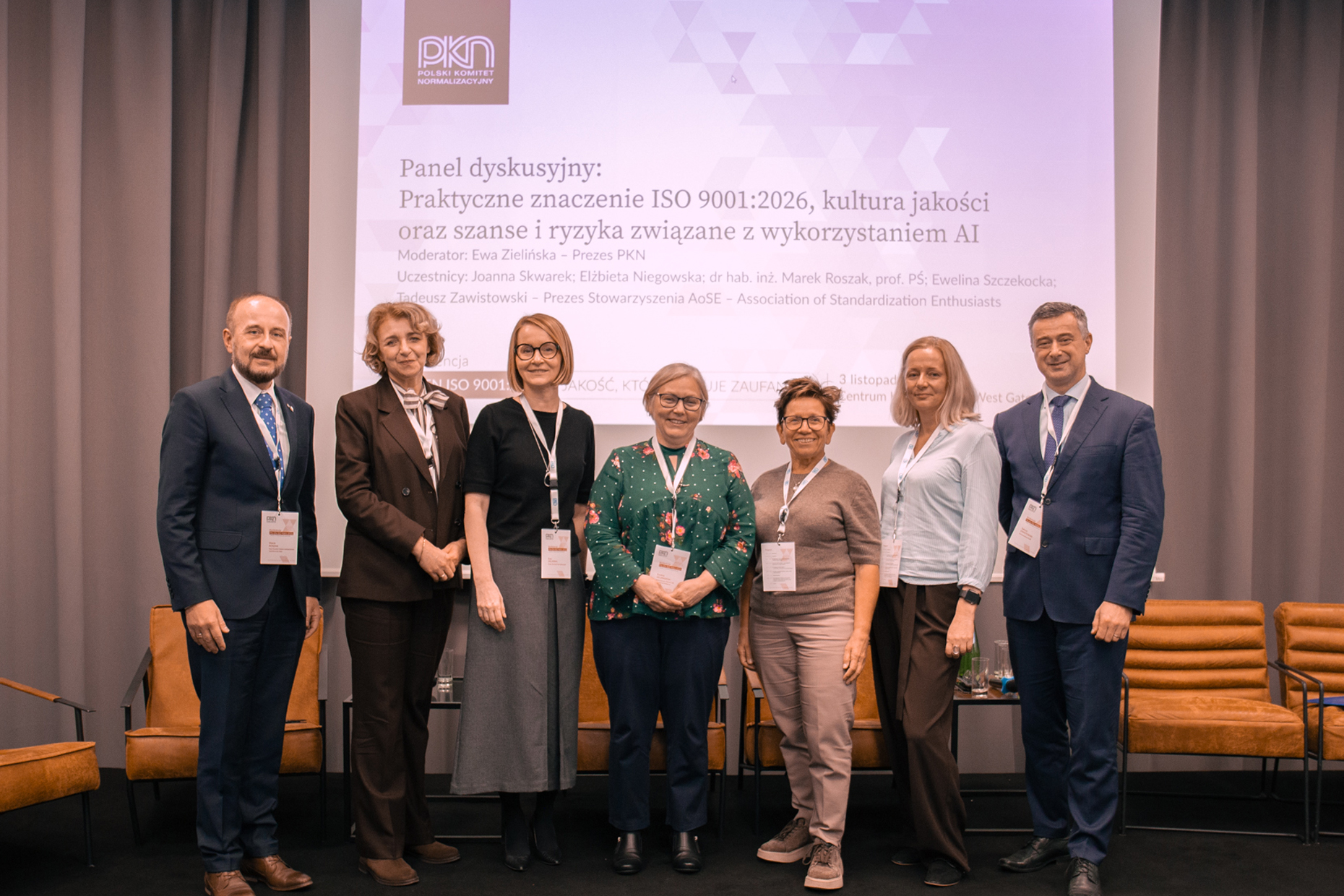
A highlight of the event was a panel discussion moderated by Ewa Zielińska. The experts invited to the discussion: Joanna Skwarek, Elżbieta Niegowska, Ewelina Szczekocka, Marek Roszak, Ph.D., Eng., Professor at the Silesian University and Tadeusz Zawistowski – President of the AoSE – Association of Standardization Enthusiasts – jointly explored how to determine whether a quality management system is truly effective. The discussion showed that quality is not always something that an be directly observed. We do not notice it, when everything runs smoothly: tasks are completed without unnecessary complications, services meet our expectations, and customers or patients feel that their needs have been acknowledged.
The panelists repeatedly emphasized the importance of trust as the foundation of quality. It is not build by a certificate or a system documentation alone, but primarily through an organization’s day-to-day practice: fulfilling commitments, effectively responding to customer needs, appropriate communication and ensuring the commitment of employees and management. Certification can serve as an important basis of this trust, but ultimately, it is verified by the experience of those who use the organization’s services.
Special attention was also given to the culture of quality and ethics within the organization. Discussions focused on how to evaluate the actual functioning of the system – rather than merely its compliance with requirements – as well as how to conduct audits in a way that supports the organization’s development, rather than merely checking documentation and identifying nonconformities. It was emphasized that recognizing and reinforcing what is already working well is just as important as identifying areas for improvement. Positive feedback helps build employee engagement and foster a culture of quality.
Finally, the experts shared practical tips that are worth day-to-day applying. Among the most important were: analyzing available data, identifying the organization’s strengths, seeking opportunities for improvement, engaging employees and ensuring that those responsible for management systems are kept informed and involved in decision-making processes – particularly regarding change management.
Our conference demonstrated, that quality is not just a set of requirements, procedures and indicators. It is a mindset and a way of acting, that should exist on every level of the organization. PN-EN ISO 9001:2026 can serve as an important tool to suport this process, however, the true value of the system emerges only in practice – through effective action, accountability and relations based on trust. Because quality is built every day – through consistent effort, open communication and reliable credibility.
We would like to extend our sincere thanks to all the participants and experts for creating a space to exchange knowledge and experience, and for all the inspiring conversations.